Mixed-Method Research on Value-Based Care
The Problem:
The assumption was technological. The reality was something else entirely.
Flatiron Health had an existing OCM product focused on administrative support. As the industry shifted toward value-based care, leadership needed to know whether their offering was sufficient and where the real opportunities were.
The question going in:
Which VBC features do cancer centers need us to build?
The question that mattered:
Why are so many cancer centers struggle to succeed under value-based care programs?
Research Goals
After my initial desktop research & internal knowledge gathering, I realized the goal was not to validate a product direction. It was to understand whether we were solving the right problem at all.
What are the shortcomings of Flatiron's current OCM offering, and what do practices expect?
What are the common challenges practices face in performing well under value-based arrangements?
What technological and operational support are practices seeking, and what would have the most impact?
What would it take to define success for Flatiron's VBC offering?
Research Partners
Being new to the VBC space and unfamiliar with Flatiron’s historical offering, I knew I needed partners to make this work. They each brought a unique perspective and helpful lens to the research.
Kevin Hobson - senior PM, originally an engineer who built the original admin features in the early days
Nathan Chan - PM of the data analytics platform
Allie D’Innocenzo - quality metrics expert, previously an Account Manager
Research Approach
I led a 4-track research effort. We studied 9 practices and spoke with dozens of stakeholders across CEOs, COOs, quality managers, billing, and clinical staff.
Structured surveys across the practice network
Expert physician interviews on behavior change and decision-making
Qualitative 1:1 interviews with CEOs and COOs
Focus group with quality managers, nursing directors, and data managers
The participant mix was deliberately cross-functional because the VBC challenge was never going to be solved by talking to only one type of stakeholder.
Key Takeaway
1. Success is cultural, operational, and financial. Not technological.
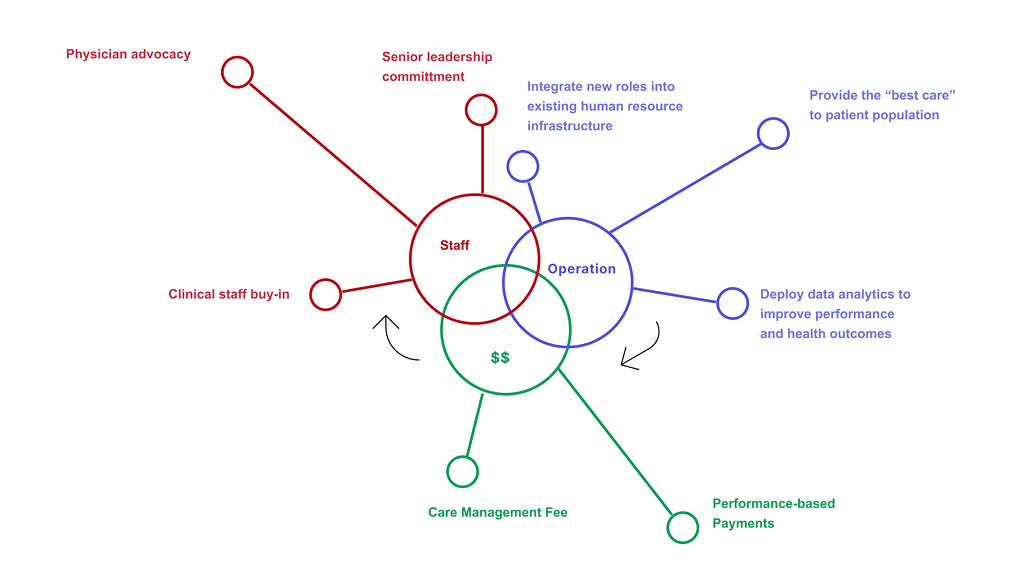
Cancer centers navigating VBC successfully share three interconnected qualities: physician advocacy and staff buy-in, operational infrastructure to support new workflows, and financial models aligned with value-based incentives.
2. Practices are flying blind on the decisions that matter most.
Claims data from CMS arrives six to twelve months late. By the time practices can see what happened, the window to act has already closed.
"Claims data is good for long, slow, philosophical change. Not day-to-day operations." - Tennessee Oncology
3. Operational sophistication determines everything.
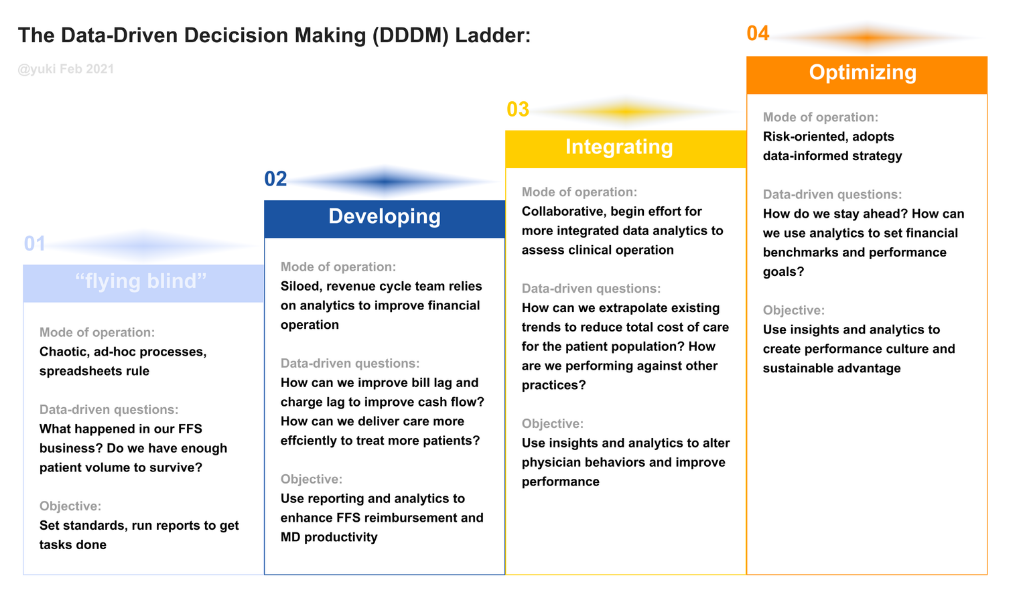
Practices fall into four distinct stages: flying blind, developing, integrating, and optimizing. Where a practice sits determines what support they actually need and what Flatiron could realistically offer.
The Insight that changed everything
Cancer centers weren't failing VBC because of software. They were failing because no one had helped them change how they operated, how they led, or how they thought about money.
Stakeholder Influence
The research challenged the direction, not just informed it.
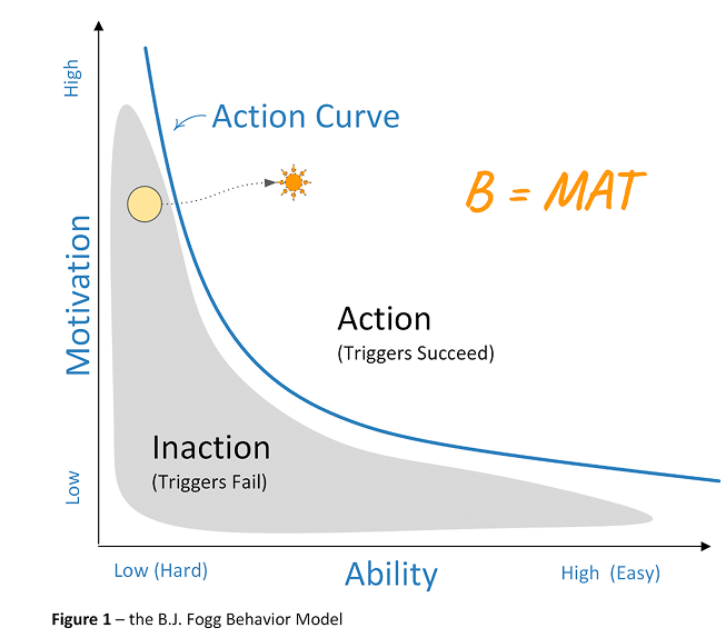
I presented findings to Flatiron's VP of Product and Head of Clinical Science, both of whom had sponsored the research, expecting validation of a technology-led roadmap.
Instead, the research reframed the question entirely. What they needed was not more software features but a facilitator. That single reframe shifted the conversation from product roadmap to organizational strategy.
Business and Product Impact
The research didn’t inform a feature. It restructured an organization. It shaped what Flatiron became, not just what it built.
A dedicated value-based care operational workflows team was formed as a direct result of the findings.
The analytics offering was redesigned to reflect the interconnected clinical, operational, and financial dimensions of VBC success.
The customer segmentation framework added an entirely new dimension to how Flatiron understood its customers in terms of operational sophistication and readiness for change.