Point of View
Yuki is a bilingual, bicultural product and experience leader who moves fluidly from upstream business strategy to hands-on execution, and from a human and cultural lens to deep product and technology fluency. With a background in cognitive science, she brings a behavioral lens to complex problems, but her work goes beyond understanding people. She helps teams make sense of ambiguity, identify the real opportunity, and turn what they learn into product direction and actual user experiences.
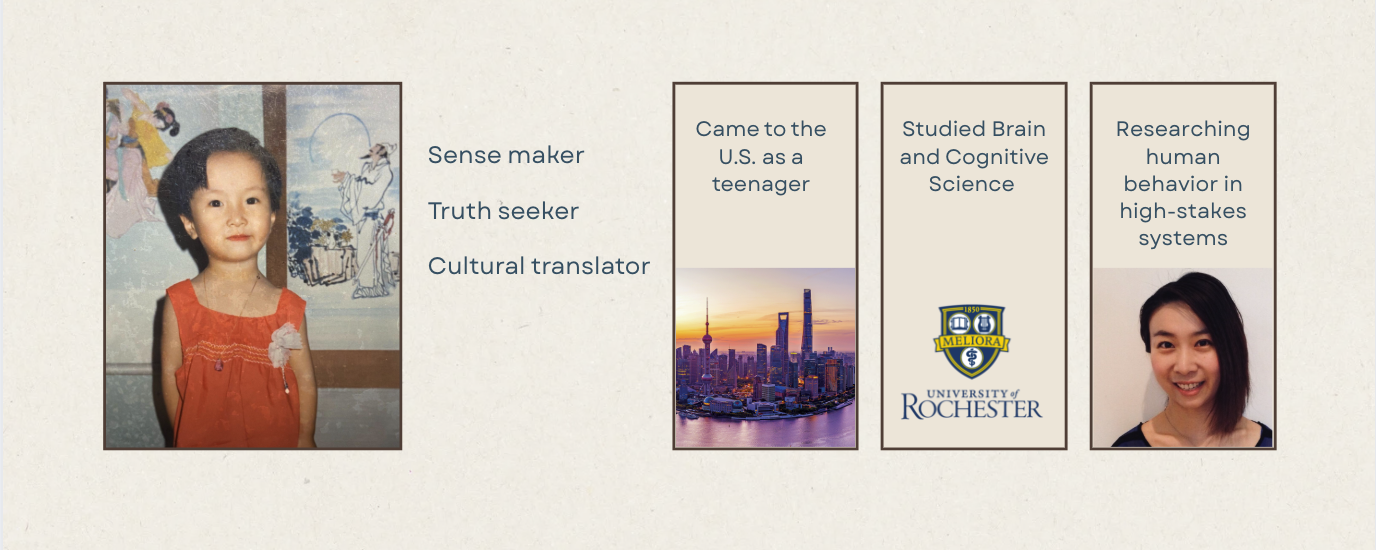
Over 15+ years in technology, Yuki has worked across research, design, and product, partnering with cross-functional teams and founders to navigate problems that don't fit neatly within a single discipline. She turns business challenges into hypotheses, brings the right evidence into the room, and helps teams decide where to focus effort. She then stays close enough to the work to help turn those decisions into experiences that work for both the people using them and the business behind them.
Her calibration comes from consequence, not just instinct. Years spent working in oncology, clinical workflows, and practice management systems that affect real patient care, and alongside founders navigating genuine uncertainty and crisis, taught her what's actually at stake when a decision is wrong. That experience shaped how she approaches strategy: with curiosity, rigor, empathy, and a healthy respect for what happens when assumptions go untested.
Yuki is a translator by nature. She helps organizations build a shared language across business, technology, and human needs, making it easier for people with different expertise to see the same problem and move toward a decision together. She is particularly drawn to the moments before the real question has been named: when the opportunity is still ambiguous, the assumptions are still being formed, and the most valuable contribution may be figuring out what is actually worth solving.
She writes and hosts Designed to Evolve, exploring how people, products, technology, and organizations change, and what happens when they don't evolve together.
“I’m deeply curious about how people make decisions. When we understand their context, constraints, and motivations, we can design experiences that feel easier, clearer, and more human to say yes to.”
How I Work
Decisions are rarely about a single right answer, they’re about making informed choices under uncertainty. Yuki’s approach is grounded in hypothesis-driven research, which involves forming clear assumptions, testing them through research and data, and refining direction based on the evidence revealed.
This process helps teams move beyond opinions and intuition, creating shared clarity around why a solution exists, not just what it looks like. It’s how strategy becomes actionable, and how research earns trust as a decision-making partner.

Beyond the Work
When Yuki isn’t tethered to a desk, you’ll find her training in dance studios, playing badminton, experimenting with new soup recipes, or reading about behavioral economics.
These moments outside of work aren’t separate from her practice, they sharpen it. Curiosity, pattern recognition, and empathy are built through lived experience, not just professional ones.
“The best insight isn't the one that confirms what you already believed. It's the one that changes what you do next!”